
Can glass bottles fill the gap left by aluminium cans?
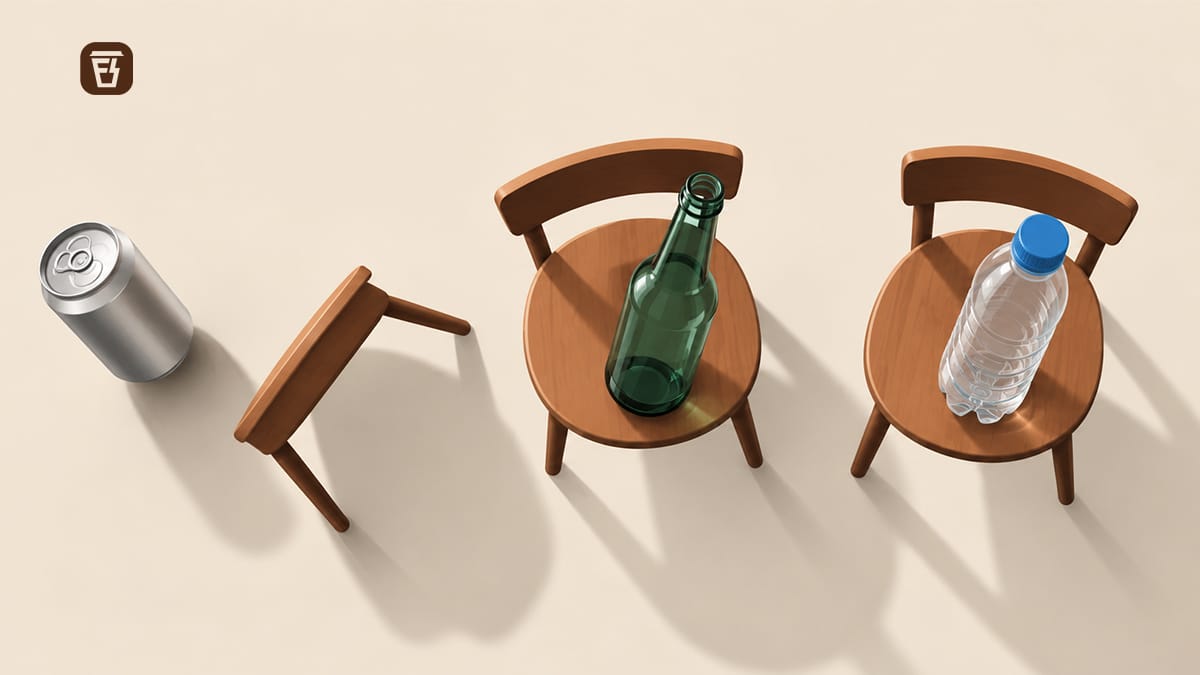
In today’s Finshots, we explain why aluminium prices rose, how it triggered a can shortage, and whether bottles could help save the day for alcohol and beverage companies.
 Love our insights? Add Finshots as a Preferred Source on Google ⭐
But before we begin, if you’re someone who loves to keep tabs on what’s happening in the world of business and finance, then hit subscribe if you haven’t already. We strip stories off the jargon and deliver crisp financial insights straight to your inbox. Just one mail every morning. Promise!
If you’re already a subscriber or you’re reading this on the app, you can just go ahead and read the story.
The Story
Indian alcohol and beverage companies have been scrambling to get their hands on aluminium cans to package some of their drinks since April.
One reason, as you know, is the West Asia crisis. Tensions around the Strait of Hormuz have disrupted shipping and slowed or cut off supplies of the aluminium that India depends on.
This shortage sent aluminium prices soaring, peaking at around $3,800 per tonne sometime in the middle of this year. Prices have cooled off since and are now around $3,200 per tonne. But even that is still about 25% higher than the average annual price last year.
So, with the festival season around the corner and demand for drinks expected to shoot up, beverage makers are having to rethink how they package their products. They’re shifting to PET and glass bottles to make up for the aluminium shortage.
And this seemingly simple switch is actually creating another set of problems, hurting both their businesses and their margins.
To understand why, let’s first understand how and why aluminium prices shot up in the first place.
The story actually doesn’t start with the West Asia crisis at all. Rather, it starts with China.
See, China is the world’s largest producer of aluminium, producing nearly 60% of the world’s primary aluminium. But towards the end of 2024, China pulled back a significant portion of its aluminium exports by cancelling a 13% export tax rebate on the metal. An export tax rebate is essentially a government refund of the VAT and consumption taxes that Chinese companies pay during the domestic production and distribution of goods. By refunding these taxes when products are shipped abroad, the Chinese government historically helped manufacturers keep their international selling prices low and remain competitive globally.
The reason was simple. The world was using China’s cheap aluminium for everything from construction and EVs to photovoltaic systems for solar panels and a whole lot more. But China realised that if it kept more of this aluminium for itself, it could use it to make higher-value manufactured goods rather than export the relatively low-margin primary material. So it capped its production capacity at 45 million tonnes per year.
But that was still okay because other countries were supplying aluminium too, albeit not at the very cheap prices China offered. And the global shortage was expected to be just 6 lakh tonnes. Until the West Asia crisis went into full blaze.
Countries like Mozambique and Gulf producers like Qatar and Bahrain had to close down their aluminium smelting facilities because producing aluminium requires enormous amounts of electricity, and the war disrupted energy supplies.
But that wasn’t the only problem. These countries also rely on imported raw materials such as bauxite and alumina to produce aluminium. And much of this material travels by sea through the Strait of Hormuz, including supplies coming from countries such as Brazil and Australia. So when shipping through the Strait was disrupted, the problem hit the aluminium industry from both sides. Raw materials couldn’t come in easily, and finished aluminium couldn’t go out.
All of this meant that nearly 1.6 million tonnes, or around 9% of the world’s aluminium smelting capacity, was affected. And when you suddenly take that much supply out of a market that was already expected to be short, prices naturally start shooting up.
Countries like India, which imported aluminium from these regions, started to feel the pinch. Which is why you saw the whole frenzy of Diet Coke cans disappearing from store shelves in metro cities.
Now at this point, you could ask: but India already produces a lot of aluminium. In fact, we’re the second-largest producer of it. So why the drama?
Well, you’d be right. But the thing is, India produces a lot of raw aluminium through companies such as Hindalco, Vedanta and Nalco. Making a beverage can, however, requires something more specific.
You first need aluminium. Then you have to roll it into a very thin, food-grade sheet called can-sheet. That sheet is then turned into cans.
And India doesn’t have enough capacity to produce this particular type of aluminium sheet. So it has to import a significant amount of the can-sheet needed to make beverage cans, especially from Gulf countries. Sure, we could use recycled aluminium from scraps, but that’s not really enough to meet the increasing demand for aluminium as the number of things we use it for keeps growing.
This, naturally, knocked on the doors of the alcohol and beverage industry. Their packaging costs not only went up, but they also started running into shortages of aluminium cans to package some of their drinks.
As if that wasn’t enough, there was another blow from within the country itself that aggravated the problem. We’re talking about the government’s Aluminium and Aluminium Alloy Products Quality Control Order, or QCO 2025. A QCO is simply a government order that makes compliance with specific Bureau of Indian Standards (BIS) norms mandatory for certain products. This one specifically required the aluminium sheets that companies imported to make cans to meet certain standards around thickness, temperature resistance, load-bearing capacity, etc., so that they would be safer and easier to recycle.
This meant that if suppliers didn’t meet these standards and get BIS certification by October 2026, they wouldn’t be able to ship their products to India. That reduced the pool of suppliers that could legally sell aluminium sheets, leaving beverage makers in even more agony.
So, they’ve finally found a way to tackle the problem, so they don’t spoil their festive sales — a season that means plenty of cola and beer. They’ve resorted to moving to PET or glass bottles instead.
But will this really solve their problem, you ask?
Well, it will solve the packaging problem, but not without creating a few more problems of its own.
For one, demand for beverage cans is growing much faster than for other types of beverage packaging because they’re not just convenient, but also trendy. They already make up nearly a third of a company like Coca-Cola’s portfolio.
And even if makers partly replace cans with glass bottles, costs will remain high. That’s because making glass requires mixing raw materials at high temperatures, which in turn requires large amounts of industrial gas — 40% of which comes from Qatar. And that supply was also disrupted when the West Asia crisis escalated.
Glass is also more fragile to transport. So, naturally, makers either have to sacrifice their margins or pass on the higher costs to consumers by raising prices, which could affect sales volumes.
And for alcoholic beverages like beer, the story is very different. Unlike soft drink makers, they can’t simply choose to increase prices because their MRPs (Maximum Retail Price) are strictly regulated and controlled by the states. So, say a beer bottle can cost a maximum of ₹100, but is currently priced at ₹80. If costs go up, manufacturers have little choice but to sacrifice their profit margins because they can’t revise the MRP without getting permission from the state government.
So yeah, that’s how a workaround to the aluminium can shortage isn’t really a solution. It’s more of a way to hang tight until the problems fizzle out.
Until then…
If you liked this story, consider sharing it with your friends, family, colleagues, or even strangers on WhatsApp, LinkedIn, or X.
🚨 ATTENTION: FINSHOTS FAMILY
This weekend, we’re hosting a free 2-day Insurance Masterclass that helps you build real financial security by understanding health and life insurance the right way.
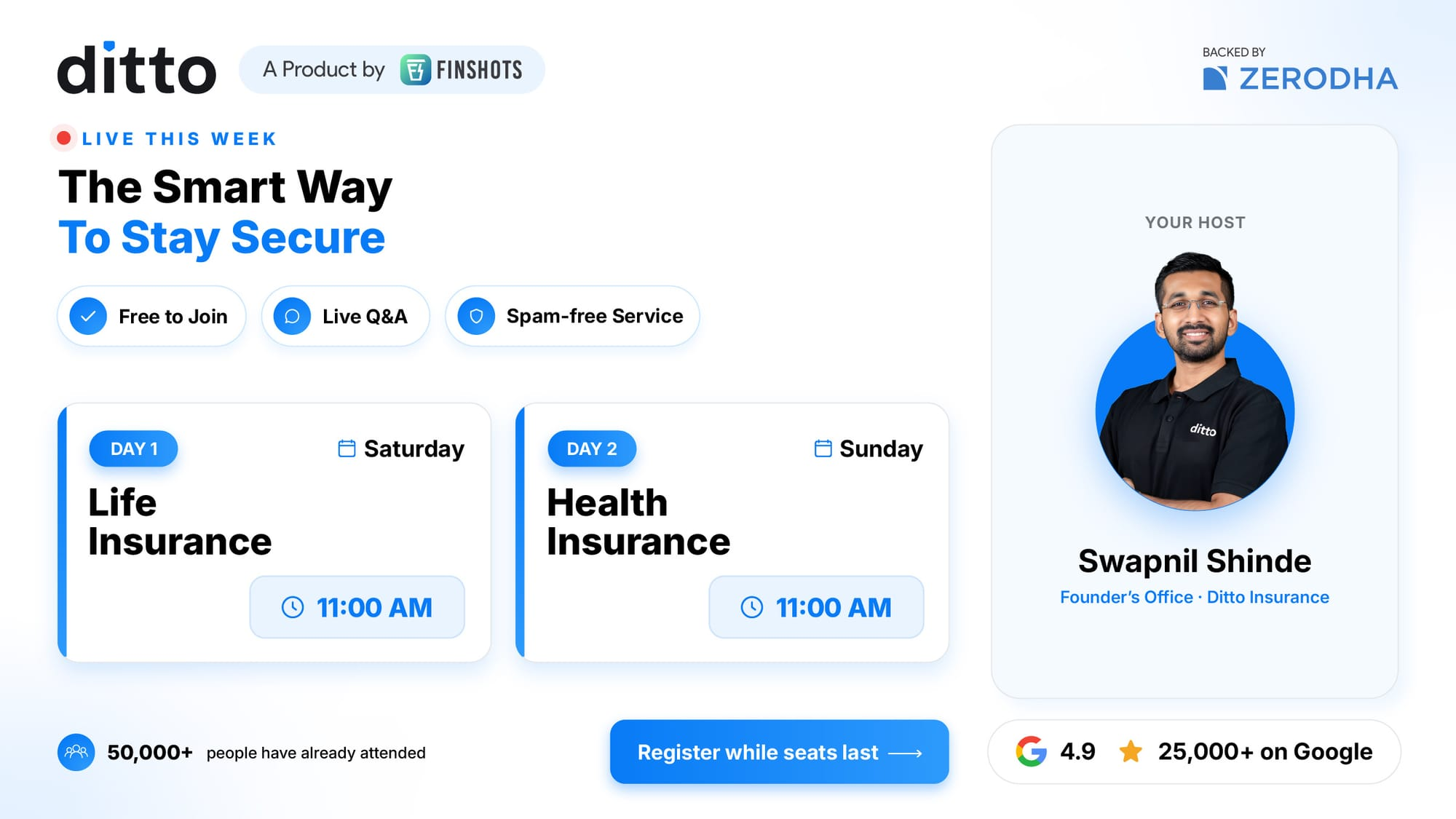
📅 Saturday, 12th September at 11:00 AM: Life Insurance: How to protect your family, choose the right cover amount, and understand what truly matters during a claim.
📅 Sunday, 13th September at 11:00 AM: Health Insurance: How hospitals process claims, common deductions, the mistakes buyers usually make, and how to choose a policy that won’t disappoint you when you need it most.