
Renting a friend, toilet paper tariffs, and more...
Hey folks!
There are few things more American than using an unreasonable amount of toilet paper.
In fact, the average American goes through about 141 rolls a year, making the US the world's biggest toilet paper consumer despite having only around 4% of the global population. And now, thanks to the latest US-Canada trade war, even that very American habit could get a little more expensive.
You see, Canada has threatened to slap tariffs of up to 50% on American paper products starting in September, in retaliation for the tariffs imposed by the US. And while most toilet paper sold in America is made in America, much of what goes into making it comes from Canada.
This is because Canada is home to large forests and a well-established pulp and paper industry, so American manufacturers have spent decades building supply chains around relatively cheap Canadian raw materials.
A tree might be grown in Canada, turned into pulp there, shipped across the border, processed by an American manufacturer, and eventually end up sitting on a shelf at Costco.
This is why a tariff doesn't need to hit the “final product” for consumers to feel it. And if the cost of the raw material goes up, manufacturers have two choices:
- Absorb the extra cost and accept lower margins, or
- Pass the price increase on to shoppers.
And unlike napkins, toilet paper isn't exactly something consumers can easily decide to stop buying until prices come down.
The irony here is that the most vulnerable products aren't necessarily the glamorous ones. It's the things that sit unnoticed in our homes until their prices suddenly change.
So perhaps the strangest realisation from this trade war is that the tariffs America imposes may ultimately hit much closer to people's homes, or, in this case, slightly below it. And if this continues, Americans might just finally start using a jet spray.
Here’s a soundtrack to put you in the mood… 🎵
You can thank our reader, Vishal Rawat, for this lovely recommendation.
Also, folks, keep your music recommendations coming. We’d love to feature them in our Sunday editions, especially gems from underrated Indian artists many of us haven’t discovered yet. Can’t wait to hear them!
What caught our eye this week 👀
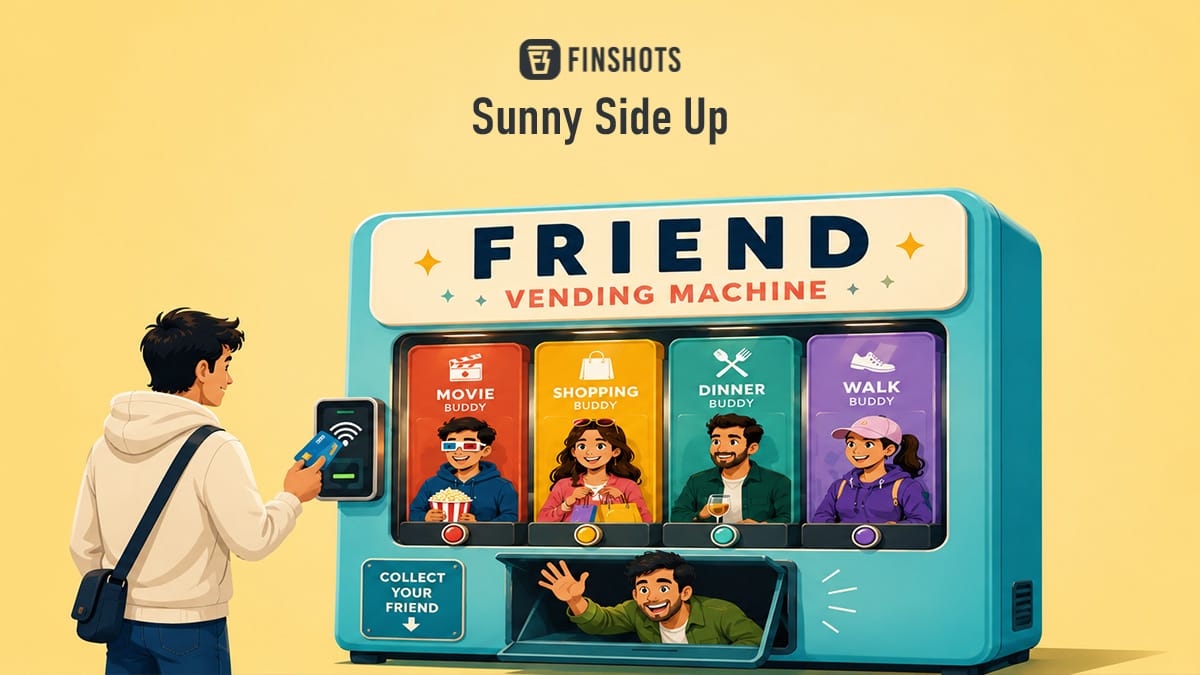
The companionship economy
A screenshot went viral in India last month showing a "rent me for a day" rate card. Coffee date, ₹1,500. Family meeting, ₹3,000. Weekend getaway, ₹10,000. And even after a lot of back and forth, nobody could verify if the person behind it was even real.
Meanwhile, in Russia, this isn't a hoax at all. Men are running actual classified ads offering to show up at your barbecue and keep you company for $13 to $65, no strings attached.
So what's actually going on here?
Well, there's a term for it: the companionship economy.
And it's not just some weird dude behind his laptop in his mom’s basement. AI is joining in, too. Just the AI companionship economy is projected to grow from $30 million to $150 billion globally by 2030. But why would anyone pay a stranger, let alone an AI chatbot, for something friends are supposed to do for free?
Well, behavioral economist Dan Ariely has an answer for this, and it comes down to something he calls ‘social’ norms versus ‘market’ norms.
He argues that we live by two completely different rulebooks. Ask a friend to help you move, and they'll show up happily. Offer to pay them for it, and you've just insulted them. This is because social exchanges run on goodwill and unspoken reciprocity. However, if you have to hire packers and movers, you have to discuss the terms upfront. Because that’s how market exchanges work. And these two don't mix well.
But by paying a total stranger, you get the best of both worlds. It keeps expectations clear and leaves zero obligation on either side.
There's a second piece of psychology at play too. Cornell researcher Vanessa Bohns has spent years studying why people don't just ask their friends for company or help in the first place. We're all walking around assuming rejection is more likely than it is, and that fear alone stops a lot of people from ever reaching out. And her findings are almost embarrassing: we consistently underestimate how willing other people are to say yes.
But when you’re paying for a service, the answer is almost always yes, whether it is a person or an AI service.
And this isn’t some distant prediction. Take Replika. It lets users create an AI friend, mentor, or even a romantic partner. But features that make the relationship feel more real, such as romantic conversations, voice calls, selfies, and better memory, sit behind paid subscriptions.
Or take ElliQ, a tabletop AI companion designed for older adults. It chats with them, plays games, offers reminders, and simply keeps them company for all for a monthly fee (plus the device cost, of course).
So people are buying not merely a conversation, but attention and the guarantee that someone (or something) will always answer.
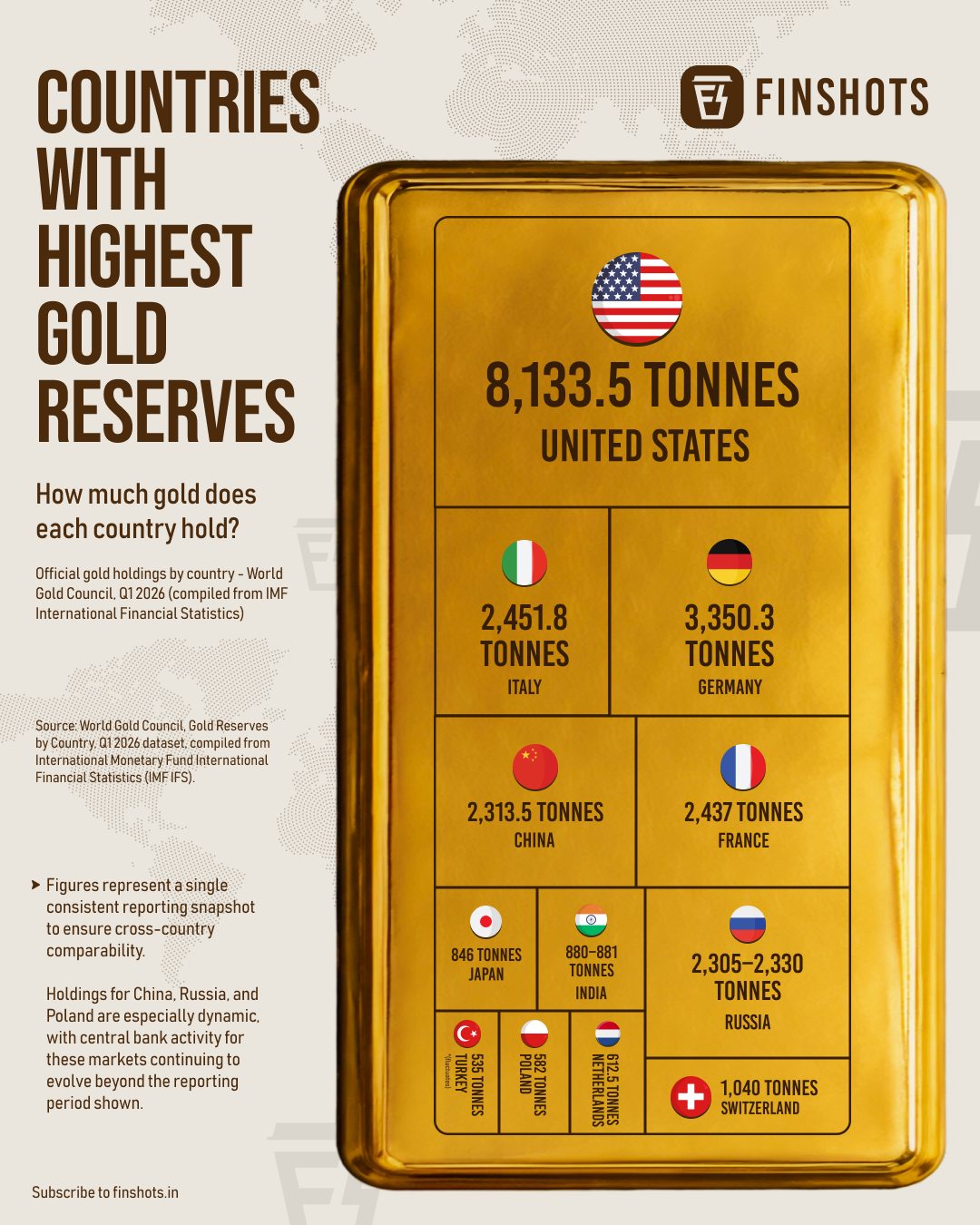
Infographic
Readers Recommend
This week our reader Nirmik Prajapati recommends reading This is Siachen by Harshal Pushkarna.
This book attempts to analyse the Siachen Glacier, often dubbed the world’s highest battlefield, from a strategic standpoint based on the author’s visits and extensive interviews with our jawans deployed there.
Thanks for the rec, Nirmik!
That’s it from us this week. We’ll see you next Sunday.
Until then, send us your book, music, business movies, documentaries, or podcast recommendations. We’ll feature them in this newsletter! Also, don’t forget to tell us what you thought of today’s edition. Just hit reply to this email (or if you’re reading this on the web, drop us a message at morning@finshots.in).
And if you liked this edition, don't forget to share it on WhatsApp, LinkedIn and X.