
Should you raise a toast to Varun Beverages?
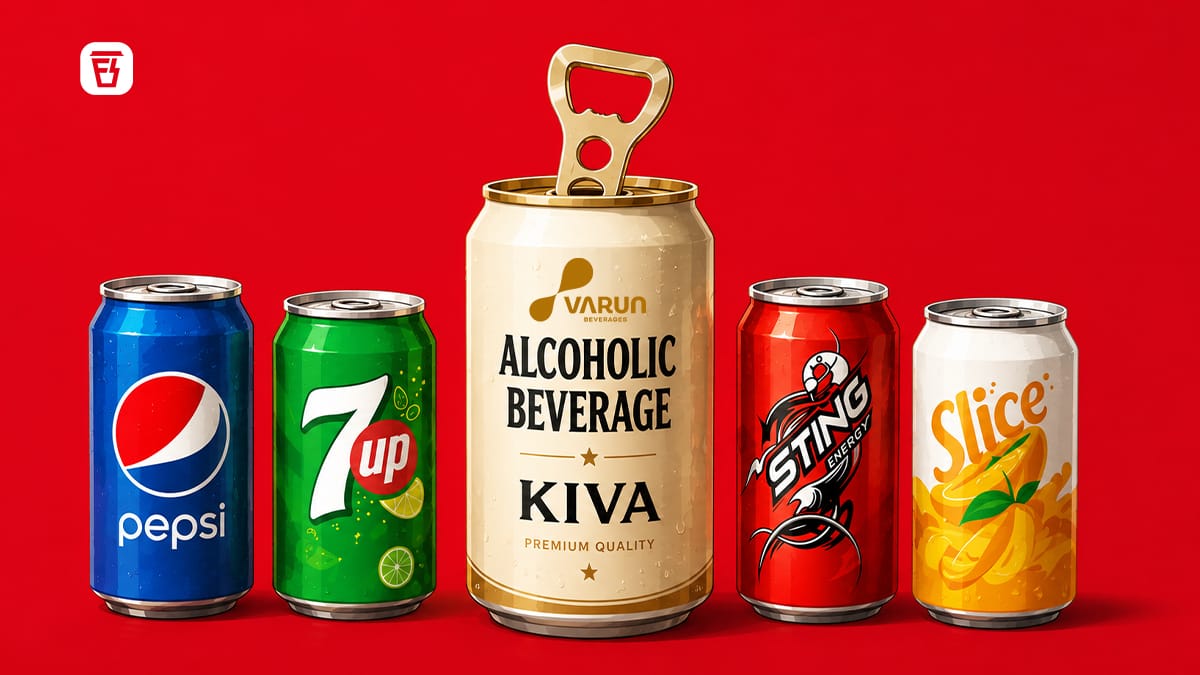
In today's Finshots, we explain why Varun Beverages is preparing to enter the alcoholic beverage market and whether its distribution network will be a strength in the liquor industry.
But before we begin, if you love keeping up with the buzz in business and finance, make sure to subscribe and join the Finshots club, loved by over 5 lakh readers.
Already a subscriber or reading this on the app? You’re all set. Go ahead and enjoy the story!
The Story
For decades, Varun Beverages built its business by bottling and distributing well-known drinks such as Pepsi, Mountain Dew, and Tropicana. The company became one of the world's largest PepsiCo bottlers, managing extensive manufacturing and distribution of non-alcoholic beverages across India and several international markets.
However, recently, the company announced something rather strange. VBL announced that they’re entering the alcoholic beverage industry.
This expansion became possible after the company signed an “extended” bottling agreement with PepsiCo earlier this year. Because earlier, VBL could manufacture only PepsiCo’s drinks exclusively. The new agreement extends their core partnership through 2049 and eliminates the exclusivity clause that previously bound Varun Beverages to manufacturing, bottling, and distributing PepsiCo's products.
Now, with the newfound freedom to build new product lines, the company is starting its alcohol venture with ready-to-drink products under the brand name KIVA Spirits rather than immediately manufacturing the traditional beer or whisky.
At first glance, entering the alcohol industry might seem counterintuitive, don’t you think?
After all, the global consumption trend of alcohol is only decreasing. Younger consumers, particularly Gen Z, currently consume less alcohol per capita than previous generations.
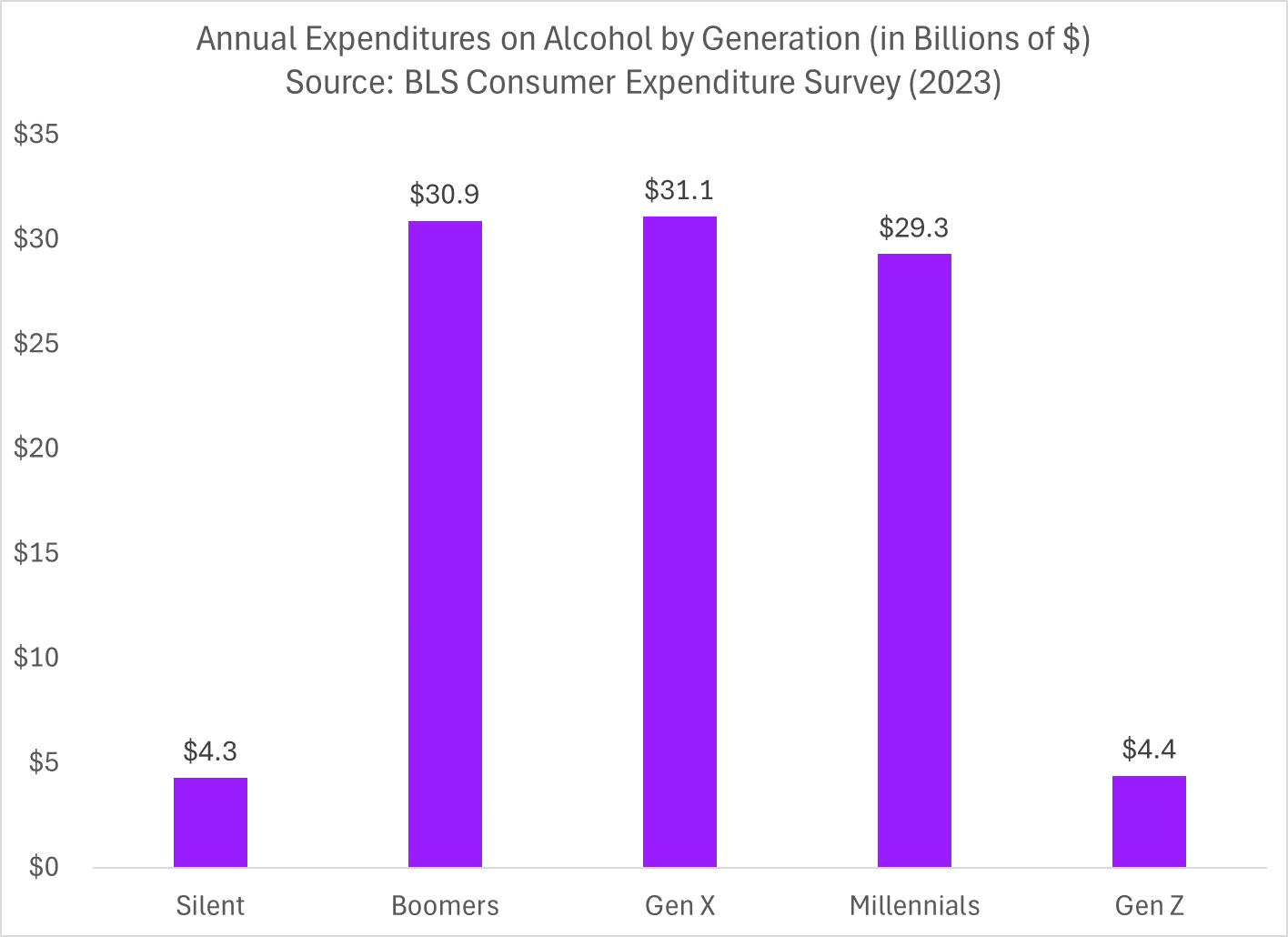
However, the Indian market operates under different demographic conditions.
Projections indicate that more than 10 crore Indian citizens will reach the legal drinking age by 2030. This demographic expansion could account for nearly 25% of total global growth in alcohol consumption over the decade.
Another thing to keep in mind is that even as individual drinking patterns are beginning to come down, the total volume of new consumers entering the legal market provides alcoholic beverage companies with substantial room for expansion.
And unlike soft drinks, which have seasonal demand that peaks during summers, alcohol consumption remains relatively steady throughout the year. So, adding ready-to-drink alcoholic beverages allows the company to smooth operational cash flows across all four quarters and reduce its reliance on hot weather to drive up revenue.
But while the financial rationale appears straightforward, the operational reality on the ground is slightly more complex.
Because alcohol is governed at the state level rather than by the central government, each state maintains separate licensing requirements, taxes, and transport regulations. Varun Beverages cannot simply transport KIVA Spirits on the same trucks that deliver your Pepsi to local grocery stores. The company must construct an entirely independent supply chain, complete with dedicated warehouses, separate transport permits, and new relationships with licensed distributors.
Beyond distribution, there’s another problem with alcohol. Varun Beverages currently generates operating profit margins of 23-28%. In contrast, established alcoholic beverage companies generally operate with profit margins in the mid-to-high teens.
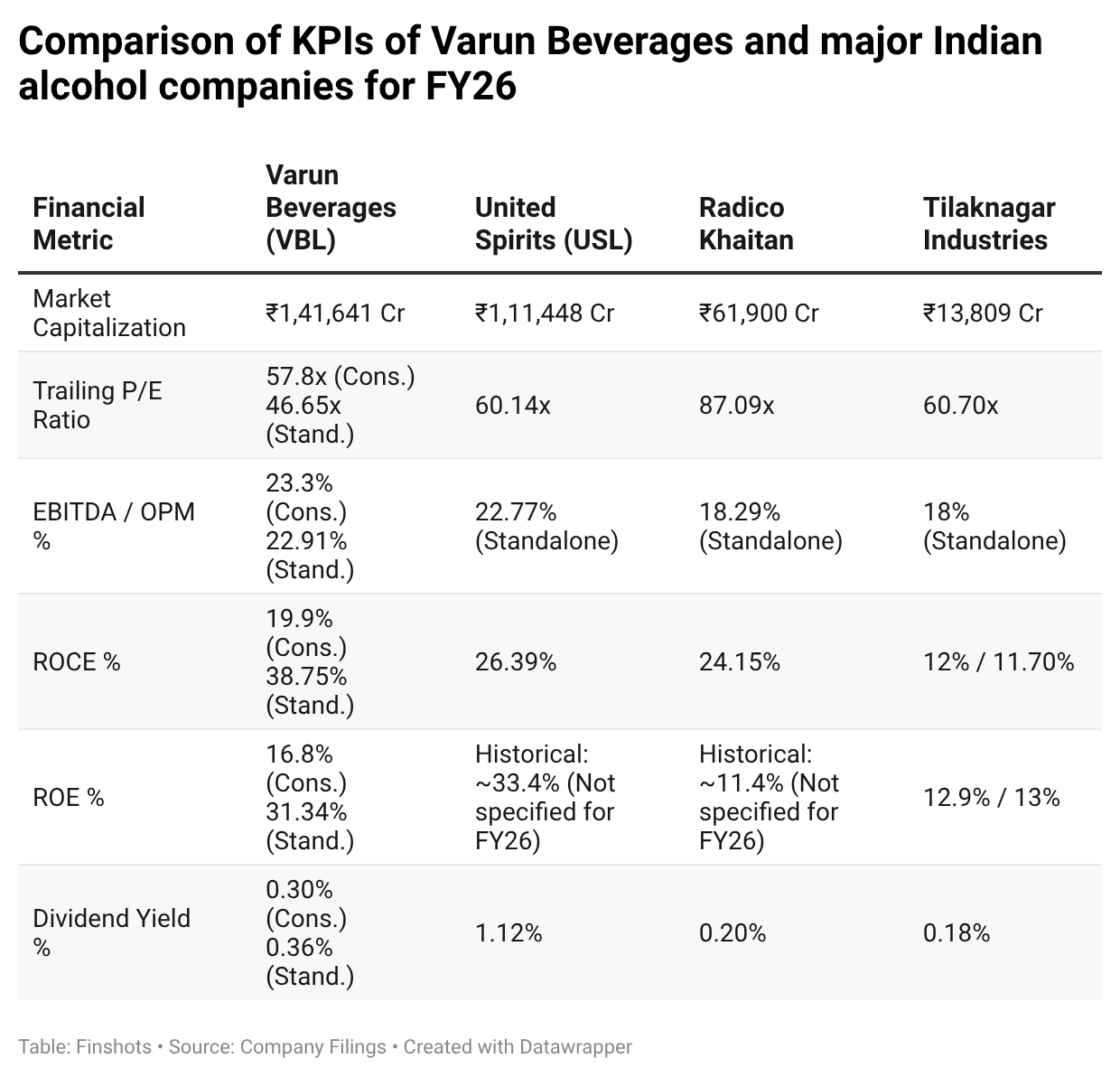
On top of this, a cocktail of state excise duties, complex local taxes, and strict prohibitions on direct advertising reduce the profitability of liquor products even more. Sure, entering the alcohol sector expands the company's total addressable market, but it will likely generate lower profit per unit sold compared to its core soft-drink business.
This is also because India's alcohol industry operates as a sort of oligopoly, where players such as United Breweries, Radico Khaitan, Allied Blenders and Distillers, and Pernod Ricard maintain consumer brand loyalty and decades of experience navigating state-level regulatory bodies.
In fact, these uncertainties were reflected in the equity markets, where Varun Beverages shares dropped roughly 4% following the announcement. Investors expressed concern over the lack of detailed financial guidance regarding capital expenditure, timelines, and projected returns on capital. To date, the company has only disclosed an initial paid-up capital of ₹9 crore for the new subsidiary.
In order to alleviate the structural gap Varun Beverages has in the industry, they appointed Prathmesh Mishra, to manage KIVA Spirits.
And it makes sense why. Remember we spoke about the cocktail of laws, guidelines, and regulations?
Well, Mishra was a managing director for Diageo and has fourteen years of leadership experience at Pernod Ricard India. So this is exactly what he’s good at.
Ultimately, Varun Beverages possesses the manufacturing discipline, capital resources, and operational scale necessary to attempt this market entry. However, the company must now prove that it can navigate a heavily regulated, fragmented state distribution network that functions entirely outside the FMCG framework that the company is good at.
If they execute this expansion successfully, KIVA Spirits could establish a durable second engine of corporate revenue.
Until then...
If you liked this story about Varun Beverages entering the alcohol industry, feel free to share this with your friends, family or even strangers on WhatsApp, LinkedIn or X.
Did you know? Nearly half of Indians are unaware of term insurance and its benefits.
Are you among them?
If yes, don't wait until it's too late.
Term insurance is one of the most affordable and smartest steps you can take for your family’s financial health. It ensures they do not face a financial burden if something happens to you.
Ditto's IRDAI-Certified advisors can guide you to the right plan. Book a FREE 30-minute consultation and find what coverage suits your needs.
We promise: No spam, only honest advice!