
India is finally cracking down on hair transplants
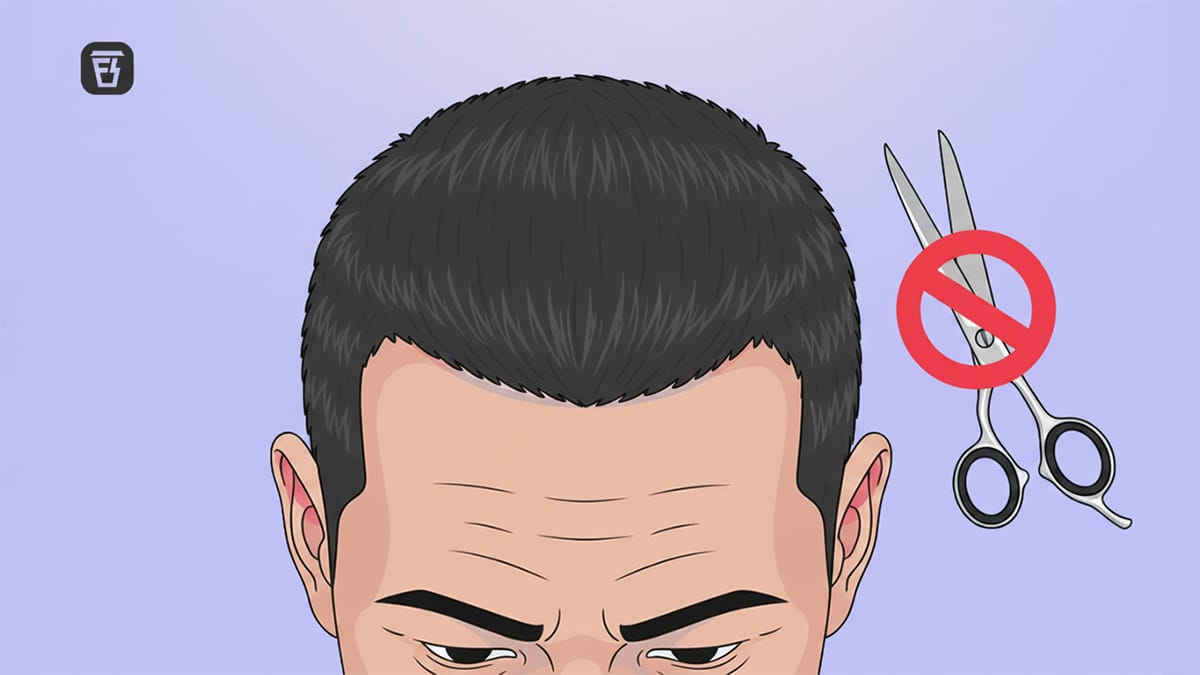
In today’s Finshots, we dive into India’s booming hair transplant industry, and why the government suddenly wants to regulate it.
But here’s a quick sidenote before we begin. This week, we’re hosting a free 2-day Claims Webinar Series, where we break down how claims are processed in the real world, why delays and rejections happen, and what truly makes a difference when it matters most.
📅 Today, 20th Jan | ⏰6:30 PM
Health Insurance
How hospitals process claims, common deductions, the mistakes buyers often make, and how to choose a policy that won’t let you down when you need it most.
📅 Tomorrow, 21st Jan | ⏰6:30 PM
Life Insurance
How to protect your family, choose the right cover amount, and understand what really matters during a term insurance claim.
👉🏽 Click here to register while seats last.
Now, on to today’s story.
The Story
About 50% of Indian men who experience hair loss are 25 or younger.
That’s not us saying it, but a 2023 study by Traya, a healthtech company focused on hair loss treatments.
And the reasons aren’t surprising. Genetics play a big role. If your parents or grandparents experienced hair loss, chances are you might too. But there’s more. Chronic stress, poor diets, and even the quality of water we use in polluted urban environments all contribute. Over time, these factors can shrink hair follicles, leading to thinning and eventually baldness.
Hair, after all, isn’t just hair. You’d agree that it’s closely tied to confidence and self-image.
That’s also why India’s hair transplant industry, though still small at around $250 million, is growing fast, clocking a compound annual growth rate of about 20%. That’s roughly in line with the global hair transplant market, which is worth a whopping $7 billion and expected to grow at a similar pace over the next decade.
But this surge in demand has created a serious problem.
Dubious operators, including people with questionable or unrelated medical qualifications, have begun offering hair transplant procedures across the country. In one case reported by The Indian Express, two young engineers died within a day of undergoing a hair transplant in Kanpur. The doctor allegedly fled, and the clinic was later sealed. In another incident, patients lost their lives after a dentist performed their hair transplant.
Naturally, the government has been watching this unfold. And now, it believes that the situation has escalated enough to warrant stricter regulation, which is why it wants to treat hair transplantation strictly as a surgical procedure.
That would mean only qualified doctors can perform it, and only in licensed medical facilities. Sure, this makes sense since hair transplants involve graft harvesting, implantation, anaesthesia, and the risk of post-surgical complications.
But it naturally raises a question.
Why did India really not consider regulating hair transplants as a surgical procedure until now?
To begin with, when hair transplants first took off in India in the 1990s and early 2000s, demand was fairly limited. The procedures were also far more complex. Doctors had to remove thin strips of hair-bearing skin and transplant them onto balding areas of the scalp — a technique known as punch grafting. And because it was invasive and technically demanding, only specialists like plastic surgeons and dermatologists typically performed these procedures.
That changed about a decade later when India’s dermatology space went through a major shift. Methods like Follicular Unit Extraction (FUE) and Direct Hair Implantation (DHI), which were newer and quicker techniques, entered the picture and became popular. These techniques involve relocating healthy hair follicles from a donor area of the scalp to thinning or bald patches, allowing hair to grow back naturally and permanently, without large incisions or visible scarring.
The end result was that hair transplants became faster, less intimidating, and started to feel more like routine cosmetic treatments rather than serious medical procedures.
And that perception explains a lot. If something feels closer to a beauty treatment than surgery, it’s easy to see why hair transplants were never subjected to stringent regulatory oversight in the first place.
The other problem is that India doesn’t have a single authority regulating the entire medical ecosystem.
You have the National Medical Commission (NMC), which regulates doctors. But its powers largely stop at setting guidelines, certifications, and standards. Then there are State Medical Councils (SMCs), which mostly deal with registrations, complaints, and medical education.
Clinics, meanwhile, fall under a different set of licensing rules altogether.
This created a jurisdictional crack where hair transplants quietly slipped through.
The NMC could regulate doctors. State councils could license clinics. Professional bodies could offer opinions on best practices. But no single regulator had clear statutory authority over the entire hair transplant ecosystem. And when responsibility is fragmented like this, accountability tends to disappear. So when the industry began to explode, no regulator really felt it was their problem to oversee it.
That’s why, even when the NMC issued guidelines in 2022 insisting that only Registered Medical Practitioners conduct such procedures, they functioned more like advisory notes than rules that could be strictly enforced.
Now, to be fair, it’s not unusual for regulation to lag behind a fast-growing industry. Even Turkey, the world’s most popular hair transplant destination — thanks to low costs, all-inclusive packages (covering surgery, medicines, hotel stays, and airport transfers), and shorter waiting times, introduced its first comprehensive Hair Transplant Units Regulation only in 2023.
But India’s case is particularly striking.
The broader wellness industry, which includes skin lightening treatments, hair removal, fillers, botox, and hair transplants, is extremely lucrative. For context, India performs close to 3.5 lakh hair transplants every year. Procedures are significantly cheaper than in developed countries due to lower labour costs. And last year, the GST on hair transplants was cut from 18% to 5%, making them even more affordable.
That combination pulled in both domestic patients and medical tourists.
At the same time, barriers to entry remained low. All you needed was a day-care clinic, an operating room, and basic emergency equipment. This opened the door for even non-specialist medical professionals like dentists, to start offering hair transplants.
And there seems to have been some resistance to regulation too.
The dental profession, for instance, has been facing a quiet crisis in India. There are simply too many dentists chasing too few patients. To put this in perspective, the World Health Organisation (WHO) recommends a dentist-to-population ratio of 1:7,500 for developing countries. But India has about 2 dentists for 7,500 patients. And when supply shoots up, earnings inevitably come under pressure.
Cosmetic procedures, then, became an obvious alternative revenue stream for dentists, which may also have influenced the Dental Council of India (DCI) to allow them to perform hair transplants. The DCI agreed, as long as they were “adequately knowledgeable, trained, and had adequate infrastructure and manpower.” That’s undoubtedly vague phrasing that could be interpreted very loosely.
Put all of this together and you’ll see that, in many ways, there was a financial incentive to resist regulation in the industry.
Until it ballooned further, fuelled by social media and growing anxiety around receding hairlines. That’s when the regulatory blind spot turned dangerous. Unauthorised and underqualified practitioners began picking up the needle. And eventually, it led to the life-threatening cases we told you about earlier in this story.
So how will things change once regulation finally kicks in, you ask?
For starters, only qualified Registered Medical Practitioners, with specific training such as dermatologists, plastic surgeons, or properly trained general surgeons, will be allowed to perform hair transplants. That alone should make the industry meaningfully safer.
But there’s a flip side.
Regulation could also disrupt how the industry makes money. A large part of India’s hair transplant market operates informally — through clinics and salons that don’t show up in the official $250 million industry numbers we mentioned earlier. And these players aren’t going to shut shop overnight.
Some will try to find workarounds. Others may quietly flout the rules and continue operating under the radar. After all, enforcement usually kicks in only after something goes seriously wrong, and gets reported.
Sure, tighter rules will make India a more professionally credible destination for hair transplants, especially for medical tourism. But when fewer people are legally allowed to perform these procedures, prices could rise. And higher prices create a familiar risk. Domestic patients looking for cheaper alternatives may still end up turning to unauthorised operators.
So yeah, a smaller, safer industry doesn’t automatically mean a risk-free one.
In the end, regulation is a necessary step, but not a magic fix. How effectively it reshapes India’s hair transplant market is something we’ll have to wait and see.
And it will depend on enforcement and whether patients themselves value safety over shortcuts.
Until then…
Don’t forget to share this story with a friend, family member or even strangers on WhatsApp, LinkedIn and X.
🚨Term Life Insurance Prices are About to INCREASE!
A prominent insurer is set to raise their term insurance rates in the next few days. This means if you don’t secure a term plan now, your premiums could significantly go up!
Here’s why this matters: When you purchase a term life insurance policy, you pay a premium or a small fee each year to protect against financial risks. In the unfortunate event of your passing, the insurance company pays out a substantial sum to your family or loved ones.
The best part? By buying early, you can lock in your premiums, ensuring they're not affected by any future rate hikes.
If you've been considering a term plan, now is the perfect time to act. To assist you in the process, our advisory team at Ditto is here to help. Click on the link here to book a FREE call with our IRDAI-certified advisors.