
Can we regulate attention?
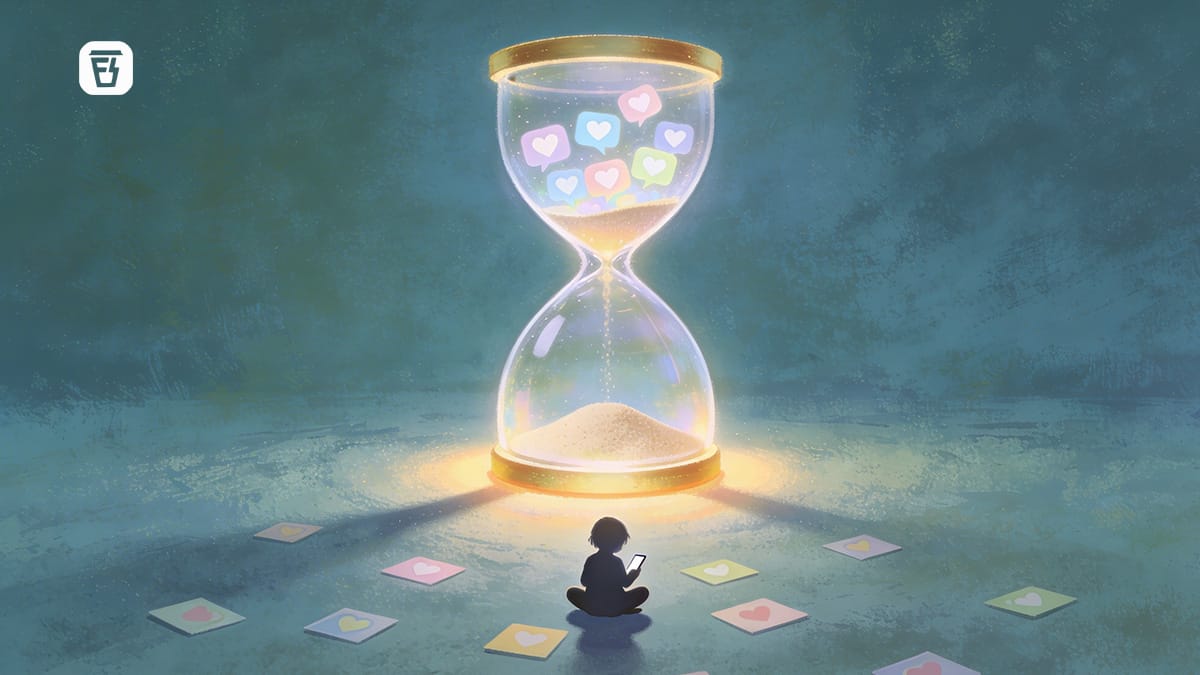
In today’s Finshots, we talk about the ongoing calls to regulate social media usage for teenagers around the world.
But before we begin, if you’re someone who loves to keep tabs on what’s happening in the world of business and finance, then hit subscribe if you haven’t already. If you’re already a subscriber or you’re reading this on the app, you can just go ahead and read the story.
The Story
Over the last few weeks, something interesting has been unfolding across the world. What began as a familiar moral panic about teenagers glued to their phones has started to turn into policy.
Australia has passed a law banning social media for children under 16. France has restricted access for those under 15. Florida has enacted its own age-based prohibition. The UK and the United States are also debating similar measures.
And what makes this particularly interesting to us is that India is also considering similar age-based restrictions.
On the one hand, the government spoke about nurturing the "Orange Economy". We have explained this in detail here, but in a nutshell, it is nothing but supporting the creator economy, promoting influencers, and even setting up “social media labs” in schools.
On the other hand, there is also a growing discussion about restricting social media access for those very students.
You see, globally, tech giants are fighting thousands of lawsuits alleging that their algorithms amplify addiction, anxiety, and depression among teenagers. And the conversation is often framed as “mental health vs. digital freedom”. However, underneath that framing lies a larger economic question: What happens when a country with India’s demographic profile decides to limit youth access to the attention economy?
Let’s start with what the government thinks.
The 2025 ASER (Annual Status of Education Report) estimates that 57% of children aged 14-16 use smartphones for educational purposes. However, over 75% of the same children use smartphones for social media.
India’s Economic Survey has also warned that compulsive screen use and digital addiction impose measurable economic costs. Social media platforms are engineered around engagement. Comparison, validation loops, and constant stimulation are their core features.
So, if even a portion of rising adolescent anxiety, body image distress, and depressive symptoms is linked to prolonged social media exposure, then the long-term economic implications are substantial.
Because mental health problems do not remain private issues. They translate into lower educational outcomes, reduced workforce participation, higher healthcare expenditure, and diminished productivity.
Social media also comes with a cognitive cost. How many times have we scrolled through Twitter or Reddit in the middle of the night? This excessive screentime induces sleep debt and reduces your overall productivity the next day. This eventually leads to a vicious cycle where fatigue makes you more prone to distraction, pushing you back to the same apps for stimulation, further eroding focus, decision-making ability, and your mental well-being.
From this perspective, regulation begins to look less like moral policing and more like preventive economic policy. If limiting early exposure improves human capital formation in the long-term, then the state may see intervention as an investment in future productivity. And they’re not wrong.
Yet the counterarguments are equally significant.
First, multiple research papers (this this and this, to name a few) link social media use to mental health outcomes in a correlational, rather than cause-and-effect, way. Teenagers who are already vulnerable may be more likely to engage heavily with social media. That makes it difficult to determine whether platforms cause distress or merely amplify pre-existing conditions. Designing sweeping prohibitions based on incomplete causal evidence risks oversimplifying a complex behavioural issue. However, the same research mentions that we need to dig deeper into this. So let’s not rule it out.
Second, prohibition rarely eliminates behaviour. VPNs (Virtual Private Networks or simply a way to access the internet by hiding your IP address), encrypted messaging apps, secondary accounts, and less-regulated platforms are easily accessible. So, an outright ban or even heavy regulation could drive underground usage, reducing parental oversight and platform accountability at the same time. So, in an attempt to protect adolescents, regulators may inadvertently push them toward spaces with fewer safeguards. And this is even more dangerous.
Third, social media is not merely a leisure activity. Nearly 90% of teenagers aged 14 to 16 now have smartphone access, and a majority use social platforms regularly. For brands, this cohort represents a distinct consumer segment whose tastes, aspirations, and purchasing habits are shaped online.
The youth discover products, services, music, fashion, and career pathways through digital exposure. A heavy-handed ban would remove a primary discovery channel, forcing brands to find alternative routes that are often more expensive and less efficient. Marketing costs could rise, and small creators who rely on young audiences might struggle to survive.
And above all, there is also a deeper privacy concern embedded in enforcement. Age-based prohibitions require age verification. How would that work in practice? Would users need to submit Aadhaar details or birth certificates to private corporations? How would regulators distinguish between personal accounts and brand accounts run by the same individual?
Any system robust enough to verify age at scale could also centralise vast amounts of sensitive data. That opens new risks around surveillance, data misuse, and potential suppression of dissent.
And these challenges, folks, highlight the broader dilemma.
Regulating attention is not like regulating alcohol or tobacco. Attention is tied to speech, commerce, identity, innovation, and a lot more. Social media is both a public square and a marketplace. It shapes mental health outcomes, but it also shapes economic participation.
The economic consequences of the restriction would therefore be multi-layered. On the positive side, reduced exposure could lower mental health costs, strengthen concentration, and improve educational attainment. On the negative side, it could slow down ‘the knowledge economy’, narrow informal entrepreneurship opportunities, and increase friction in youth-oriented markets.
For a country like India, where the demographic dividend is a primary driver of growth, this trade-off becomes even sharper. Young Indians are not just users of social media; they are creators, small business owners, freelancers, and digital natives whose economic lives are intertwined with online platforms. Restricting access may protect some from harm while simultaneously limiting the channels through which others build careers.
A blanket prohibition or even a heavy restriction, therefore, functions as a blunt instrument. It may address visible harms but create invisible ones. The challenge lies in designing regulations that mitigate addictive design patterns without dismantling digital participation entirely.
A possible solution is to make social media algorithms open source (meaning their source code is publicly available for inspection, modification, and redistribution) or at the very least, make them more transparent. This would allow independent researchers to audit them for bias and manipulation, and enable public scrutiny over how attention is shaped and monetised. This also fosters a competitive pressure on platforms to prioritise user well-being over just engagement metrics.
Apart from this, platforms could implement stricter parental controls, time-based limits, and restrictions that parents can impose, rather than the state.
However, this debate is unlikely to resolve into a simple yes or no. The question is not whether social media has risks; it clearly does. The question is whether restriction by the government is the most rational way to address those risks.
Until then…
If this story helped you understand the benefits and drawbacks of social media regulations, feel free to share this with your friends, family or even strangers on WhatsApp, LinkedIn, and X.
"I should’ve bought health insurance sooner."
That's what 85% of Indians who paid hospital bills from personal savings & debt ended up saying.
Medical emergencies don't come with a warning. They can strike anyone, anytime, causing years of savings to go down the drain.
So don't wait until a crisis hits you. At Ditto by Finshots, we make insurance simple. Our advisors explain all the policies in simple English and help you pick the right plan. Book a FREE 30-minute consultation today. No spam, no pressure.